Lost on Purpose: How Casino Floor Design Keeps You Playing and How to Fight Back
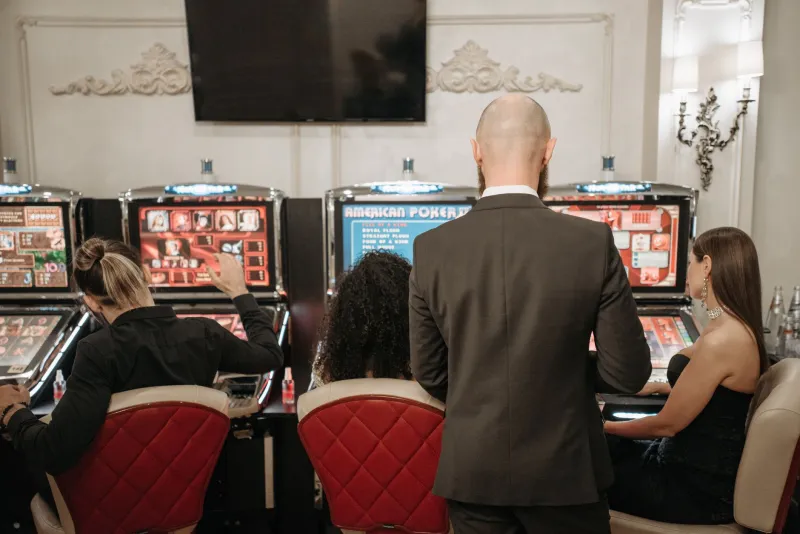
You've been there. You finish a session at the blackjack table, pocket your chips, and think, okay, I'm done for the night. Twenty minutes later you're somehow back at the slots, three drinks deep, wondering how you ended up on the complete opposite end of the floor. That wasn't bad luck. That was architecture.
Casinos spend millions engineering their floors to keep you disoriented, engaged, and — most importantly — spending. The good news? Once you know how the trap is built, you can start navigating around it.
The Friedman Principles: Your Invisible Enemy
Back in the 1970s, a casino consultant named Bill Friedman basically wrote the playbook on casino floor design. His core idea was simple: the more a casino floor resembles a maze, the longer guests stay. Low ceilings, winding pathways, games clustered in pods rather than rows — all of it was designed to make linear navigation nearly impossible.
Modern casinos have evolved that thinking, but the DNA is the same. Walk into any major Vegas property or regional riverboat casino and you'll notice there's no clean sightline from Point A to Point B. The floor curves. The signage is minimal and sometimes deliberately vague. The exits — and we mean actual exits, not casino exits — are rarely front and center.
This isn't accidental. It's intentional friction built into the physical space.
Why Clocks and Windows Are Basically Contraband
You've probably heard the old line about casinos having no clocks. It's a cliché because it's true. Natural light is also famously absent from most gaming floors. Both of those design choices serve the same purpose: severing your connection to time.
When you can't tell whether it's 9 PM or 2 AM, your internal session clock breaks down. You stop thinking in terms of how long have I been here and start thinking only about the game in front of you. That's exactly where the house wants your head.
Some newer casino resorts — particularly those catering to younger demographics — have experimented with windows and natural light. But on the gaming floor proper? Still mostly a dark, timeless vacuum.
The ATM Placement Problem
Here's a detail most players never consciously register: ATMs in casinos are almost never near the exit. They're typically placed deep in the gaming floor, surrounded by machines and tables. So when you've burned through your original bankroll and decide to pull more cash, you have to walk through the action to get it — and then walk back through again to return to wherever you were.
Every one of those trips is an opportunity for the casino to recapture your attention. A flashing machine, a hot table, a cocktail waitress making the rounds. The route to the ATM is a gauntlet, and it's placed there deliberately.
How to Build Your Mental Map Before You Play a Single Hand
This is where smart players separate themselves from the crowd. Before you sit down at your first game of the night, spend ten minutes doing something most people never bother with: actually walking the floor.
Find the exits first. Not the front entrance — the actual emergency exits and secondary doors. Know at least two ways out that don't require you to walk through the densest part of the gaming floor.
Identify landmarks. Casinos are full of visual anchors if you look for them — a distinctive chandelier, a bar with a specific neon sign, a themed section with recognizable décor. Pick two or three of these and use them to orient yourself throughout the night.
Clock the ATMs. Know where they are. That way, if you ever find yourself walking toward one, you've already pre-committed mentally to whether that's a trip you should be making.
Note the time before you enter. Set an alarm on your phone for your intended stop time. This sounds almost embarrassingly simple, but it directly counteracts the casino's time-distortion strategy.
The Psychological Gravity of the Center Floor
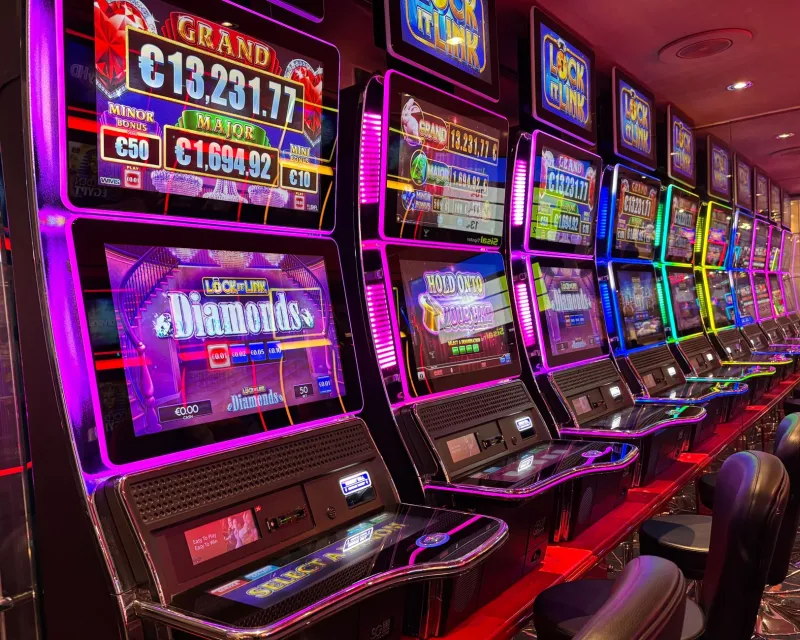
Most casino floors are designed with what designers call a "hot zone" — typically the center of the gaming area, where the highest-traffic games are concentrated. Slot carousels, table game clusters, and high-limit rooms all create a kind of gravitational pull that draws wandering players inward.
If you find yourself drifting toward the center of the floor without a specific destination in mind, treat that as a red flag. You're being pulled, not walking with intention. Stop, reorient, and make a conscious decision about where you want to be and why.
Session Discipline Starts With Spatial Discipline
Here's the thing most gambling strategy content ignores: knowing your odds at the blackjack table doesn't do you much good if you can't find the exit when you're up $200 and the smart move is to cash out and leave.
The casino's physical design is working against your decision-making in ways that have nothing to do with the games themselves. A disoriented player is a longer-playing player. A longer-playing player is a player who gives back more of what they won — or digs deeper into what they didn't budget for.
Being spatially aware isn't glamorous advice. It's not a card counting system or a hot betting strategy. But it's one of the most practical edges a player can develop, and it costs you exactly nothing to practice it.
Next time you walk into a casino, play tourist for ten minutes before you play gambler. Walk the floor. Find the exits. Know where you are. Then sit down.
The house designed the space to work against you. The least you can do is know the layout.